
ART | CULTURE | HISTORY
Arte Indigena
Arte Indigena is a museum project dedicated to the indigenous arts of Panama. We begin with the Guna (Kuna) culture, known for their vibrant mola textiles. While many people know about molas, few are aware of the Gunas’ many other art forms – and the culture that produced them. We seek to tell a more complete story.
In the future we will add the art of the Embera, Wounaan, Ngäbe, Buglé, Bri bri, and Naso Tjërdi cultures. Prepare to be amazed.

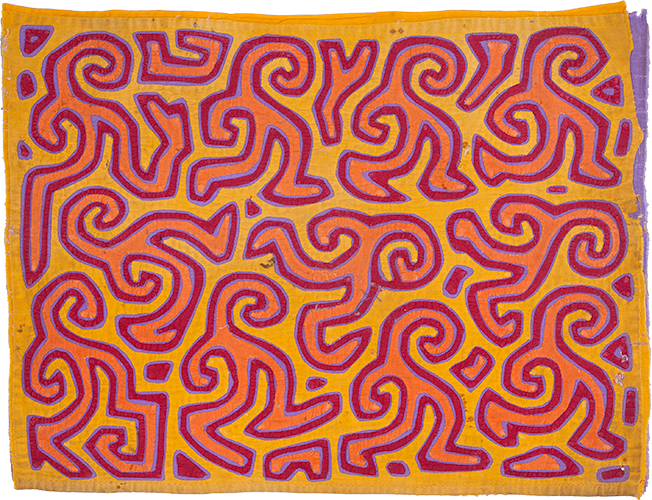
Collections
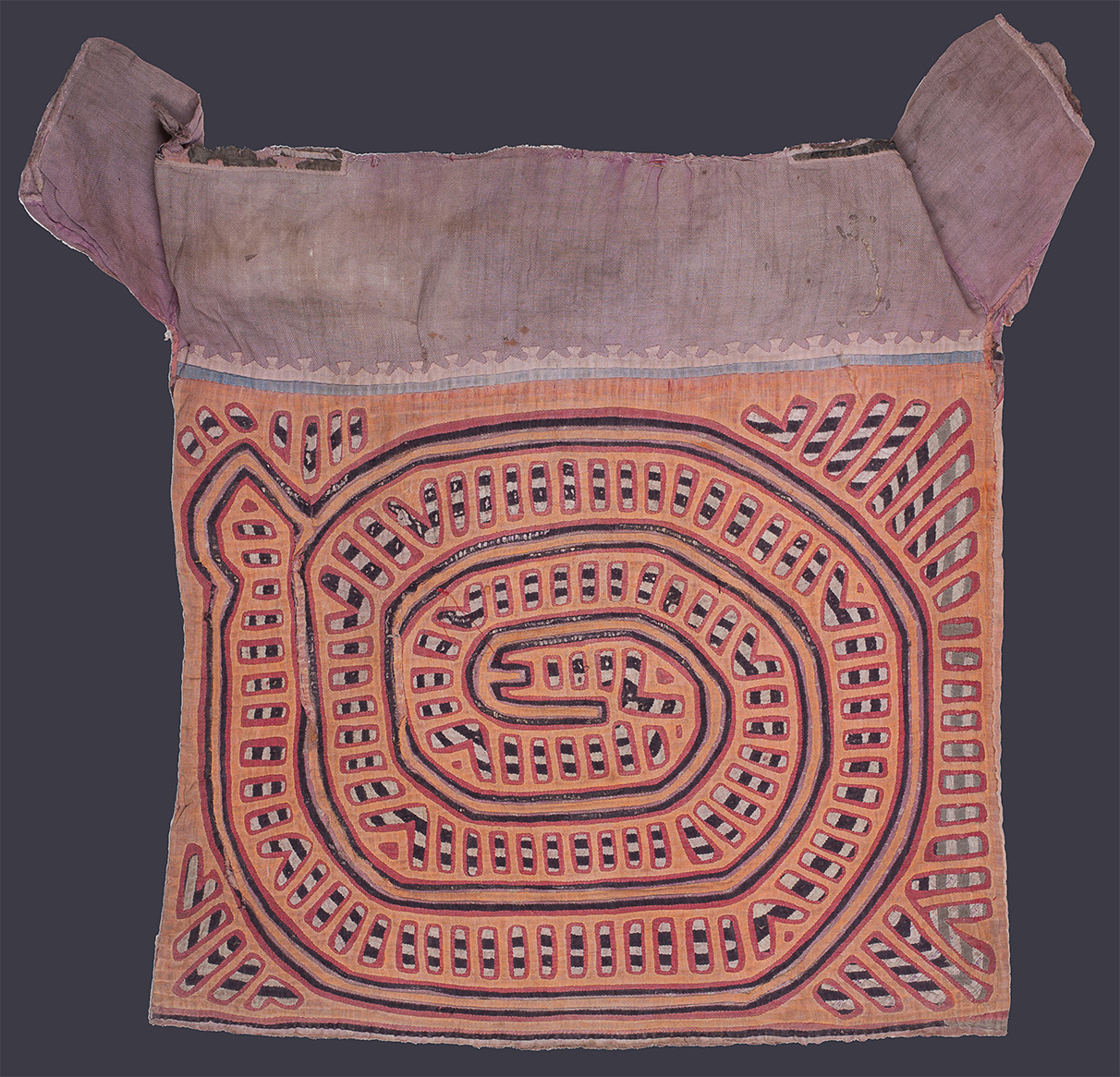
Early Period Molas
(1887-1949)
Early molas tend to be larger, less colorful and less precise than more modern examples. They often appear to be abstract or non-figural, but will convey Guna spiritual concepts not apparent to outsiders.
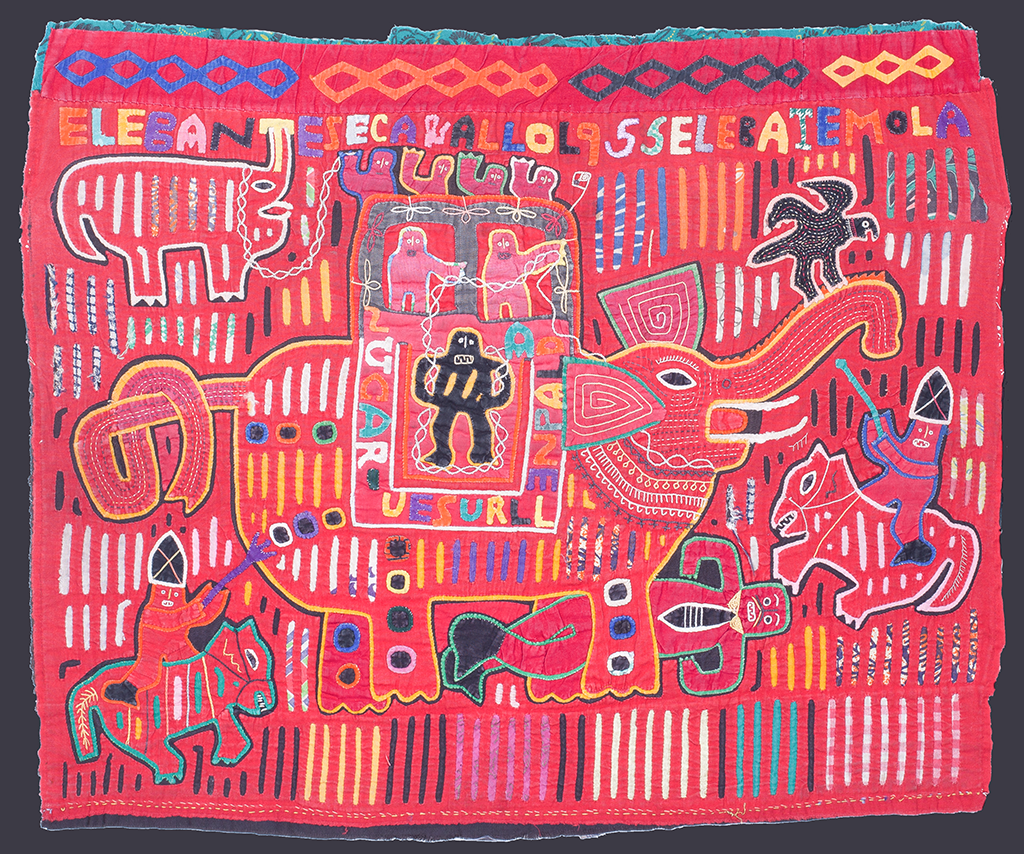
Middle Period Molas
(1950-1970)
Mid-century molas commonly convey stories or specific figural images using precise cutting and sewing and a wide variety of colors. Molas of this period were often inspired by images from non-Guna sources, like magazines and labels.
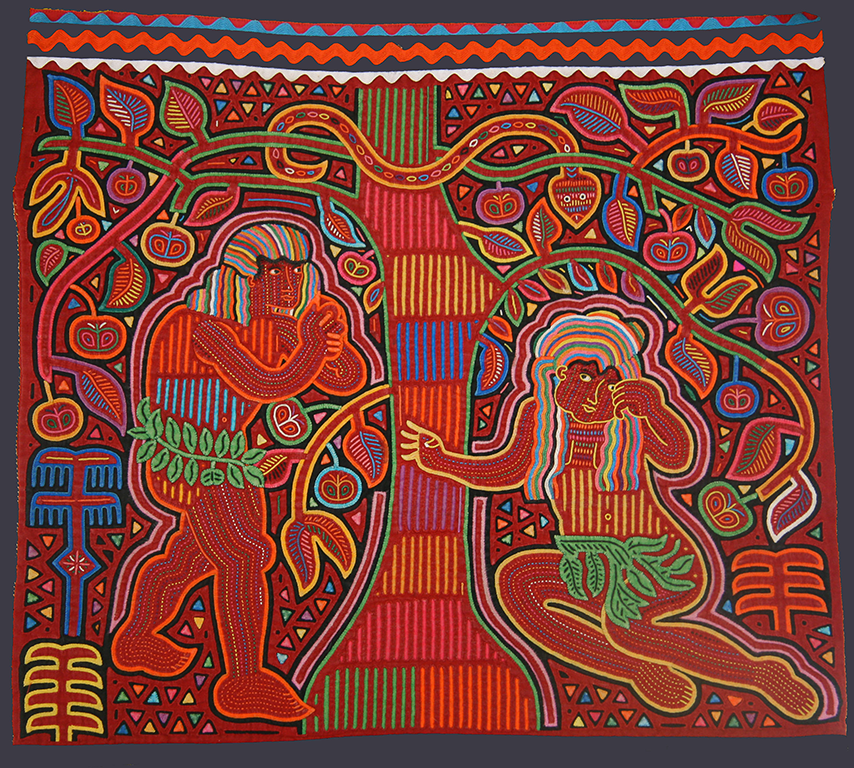
Contemporary Molas
(1970 and later)
Late molas tend to show a responsiveness to market demands, frequently depicting subjects popular with tourist buyers – like flowers, birds and fish. Many modern molas are masterful, with intricate sewing and embroidery that are breath-taking.
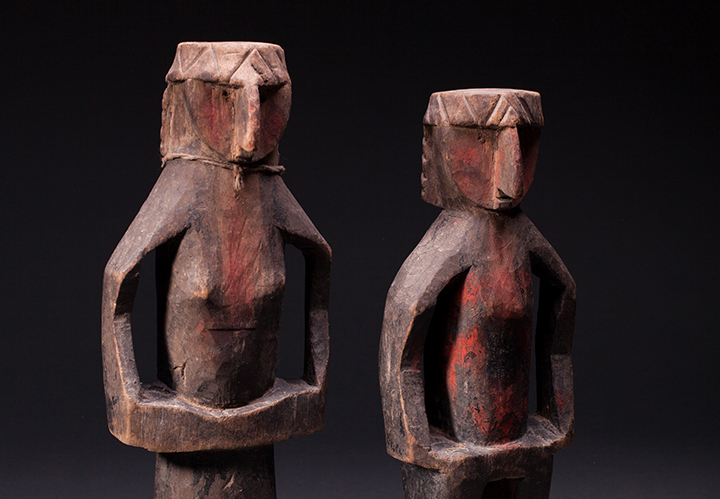
Nuchu Sculpture
Ongoing
Nuchu (nudsu) sculptures are used to store and safeguard curing spirits that are summoned by Inaduleds (healers) using chants and incense.
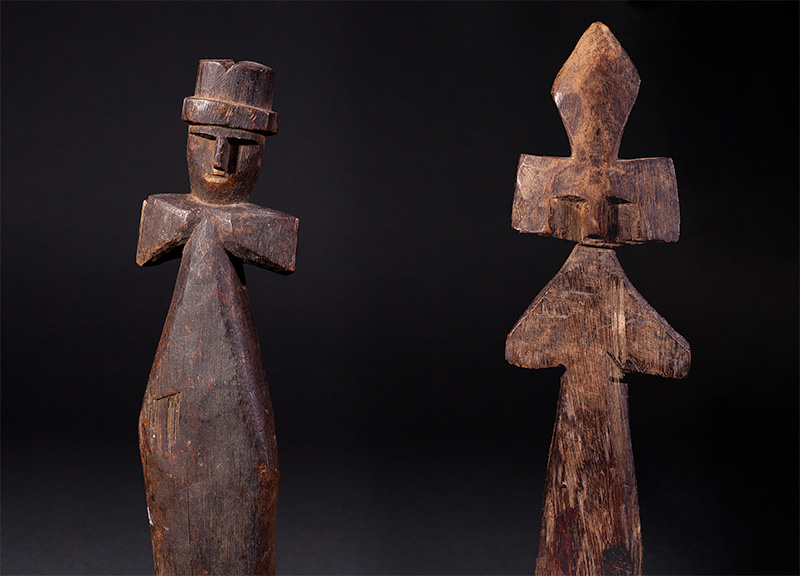
Ina Suar Sculpture
Ongoing
Relatively rare, Ina Suar are often flat with a cross shape, and sometimes have an anthropomorphic head. They are used in healing ceremonies.
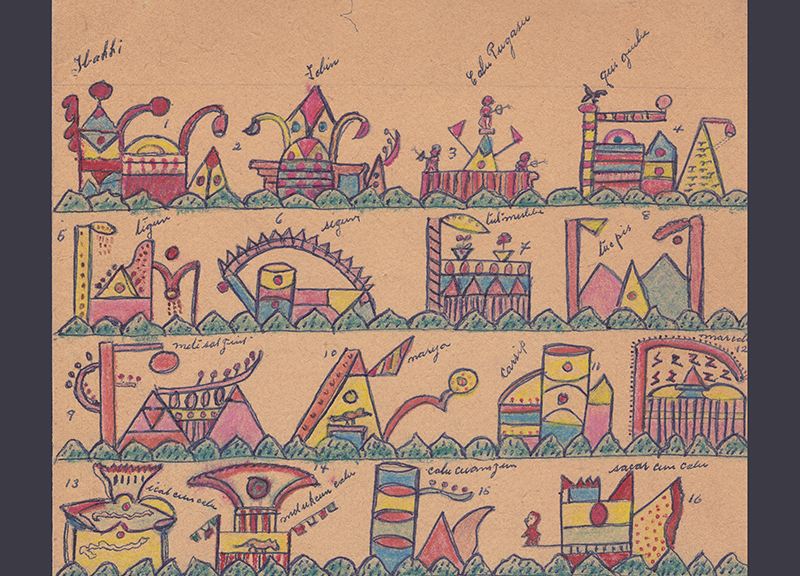
Ledger Drawings
Ongoing
Ledger and card drawings are very rare. Ledger drawings use pictographic writing to record long healing chants used by Inaduleds. Card drawing often depict galus (spirit resting places) as seen in the dreams of Guna Neles (spirit masters).